Industrial and mining photography is more than documentation, it is visual storytelling at the intersection of power, precision, and human endurance. From the depths of open-pit mines to the soaring structures of steel mills, this niche demands both technical mastery and a deep respect for the environments and people who make modern industry possible.
At first glance, industrial sites can appear harsh or utilitarian. Massive haul trucks crawl along terraced benches, conveyor belts stretch toward the horizon, and processing plants humming with relentless energy. But to a photographer’s eye, these locations are rich with contrast, geometry, and drama. The angular lines of crushers and stackers, the repetition of pipes and girders, and the scale of heavy equipment create compositions that are both abstract and monumental.
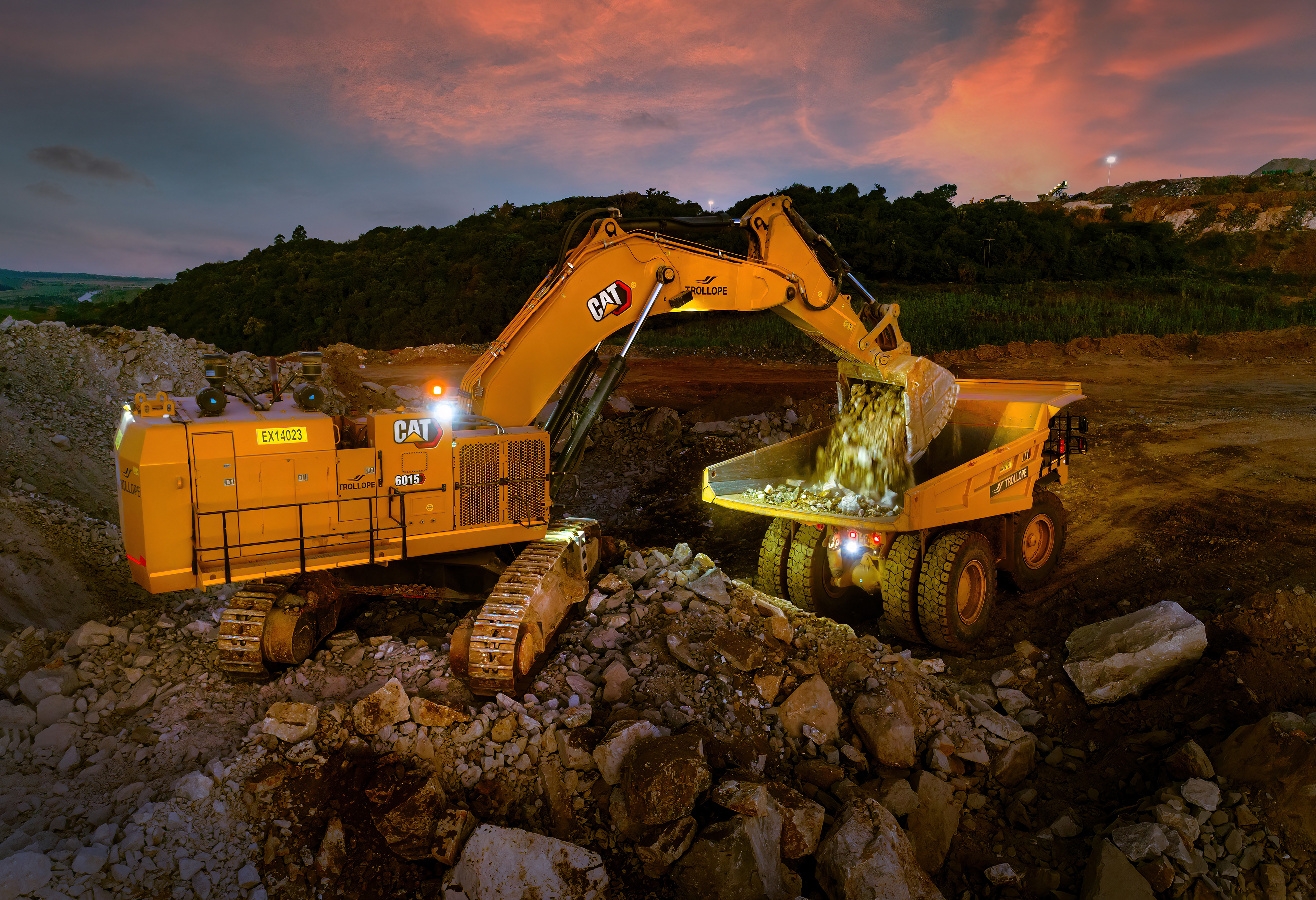
In these environments (especially in South Africa), light is rarely predictable. Early mornings offer soft, diffused tones that softens rock faces and structures. Midday sun produces stark shadows that emphasize scale. At sunset, artificial lighting transforms sites into cinematic landscapes consisting of glowing sodium vapor lamps cutting through dust and steam.
This means a photographer must adapt constantly. High dynamic range scenes are common: bright skies over dark excavation pits, or welding arcs against shadowed steel. Consideration of exposure, careful bracketing, and knowledge of post-processing are not optional, they are essential.
Dust, haze, and particulate matter can either hinder or enhance an image. When backlit, airborne dust becomes a storytelling element, illuminating the movement of machinery and the rhythm of work. What might seem like an obstacle can, in skilled hands, become atmosphere.
Mining and industrial operations are defined by scale. A single haul truck tire can dwarf a person. Crushers process thousands of tons per hour. Conveyors stretch for kilometers. Yet without a human element, is almost impossible to communicate.
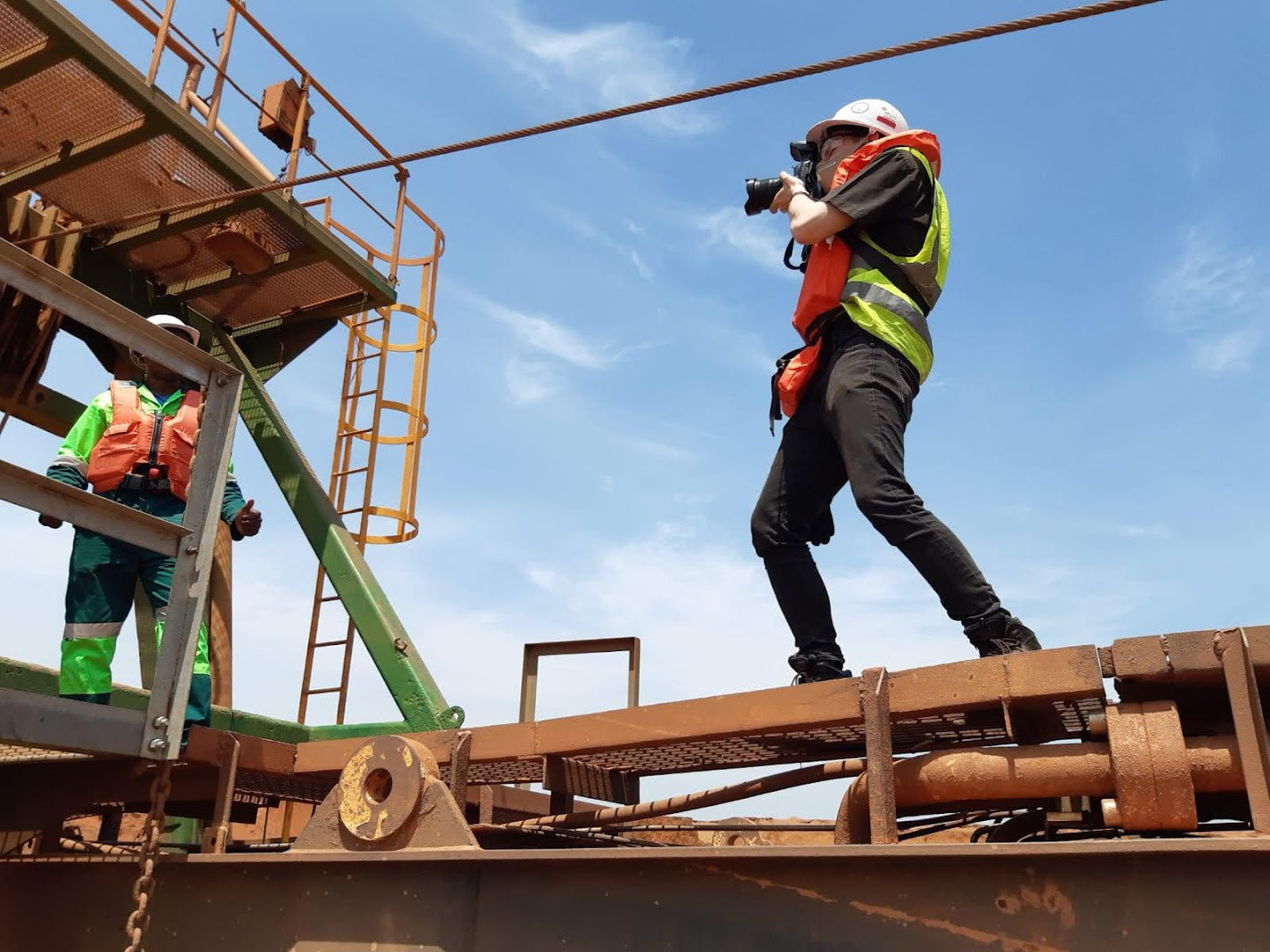
Including workers adds both narrative and proportion. A lone operator inspecting a dragline or a maintenance technician framed against a vast processing plant emphasizes the immense size of the infrastructure. Most importantly, people care about people and it always adds interest into the photo.
Photographing mining and industry is not just about machinery, it is about the interconnect between human skill and mechanical force.
There is a raw beauty in industry: the glow of molten metal, the symmetry of drill patterns, the layered colors of mineral-rich rock. Industrial and mining photography invites viewers to see beyond the surface, to recognize design, discipline, and dedication.
For the photographers willing to rise before dawn, endure dust and noise, and think both creatively and strategically, the reward is extraordinary. In the grit of the mine and the clang of the plant, there is art, waiting to be shown to the world.